Holm oak is an evergreen broadleaf tree that can grow to 20m and develop a huge, rounded crown. The bark is black and finely cracked, and twigs are slender and covered with light brown felt-like hairs. They are resistant to salt-spray from the sea, and are often planted as a windbreak in coastal areas. However, they can’t stand freezing conditions and during severe winters they are prone to dying or losing their leaves, so are more common in the south of the UK. In addition to being planted as windbreaks along the sea coast, their ability to tolerate shade and air pollution makes them ideal as street trees and for planting in city parks.
It was introduced to Britain in the late 1500s. The Romans used the wood for making the wheels of carts and carriages, as well as for agricultural tools whilst in ancient Greece, the leaves of the holm oak were used to tell the future, and they were also used to make crowns to honour people. The acorn was also a symbol of fertility and was worn on jewellery to increase chances of conception.
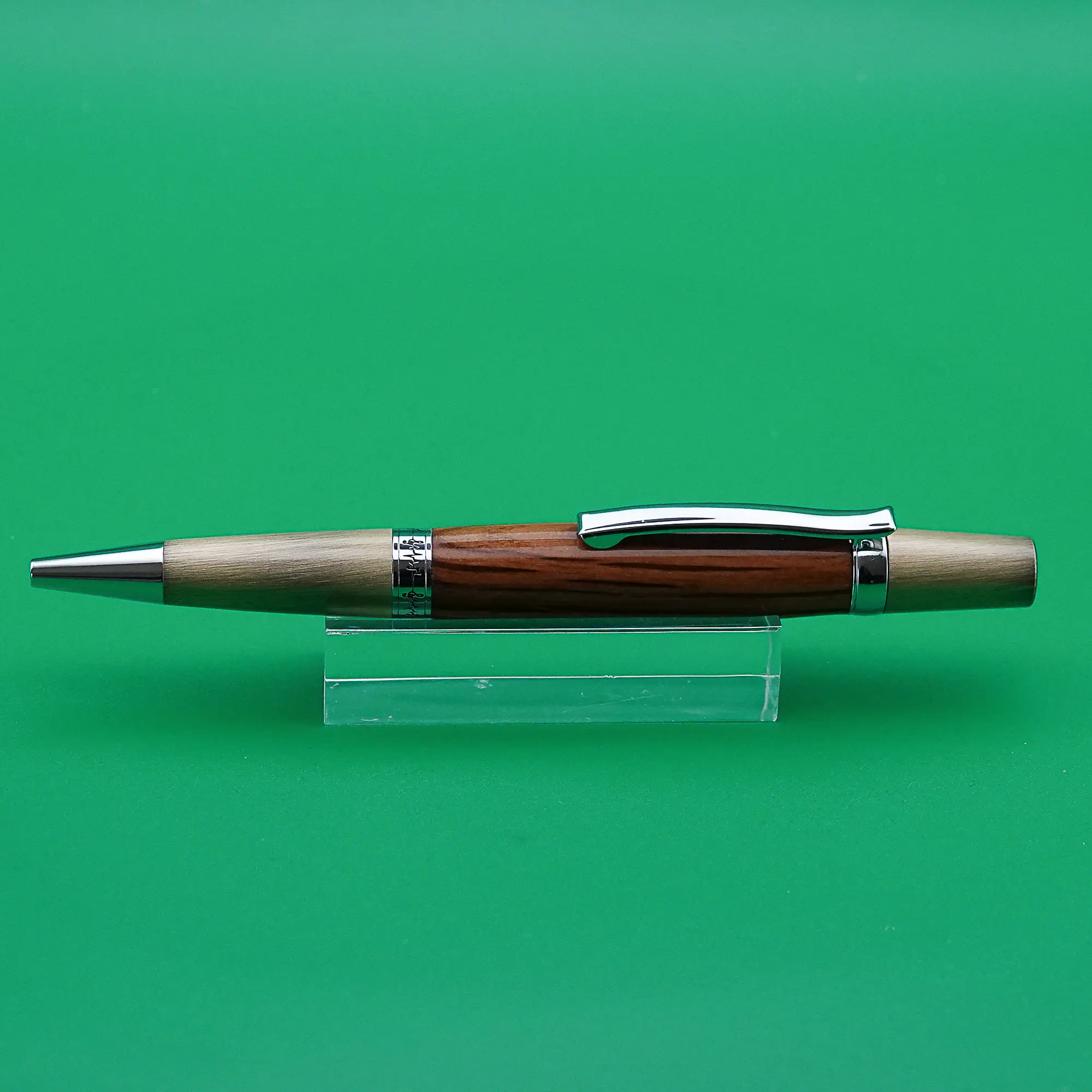
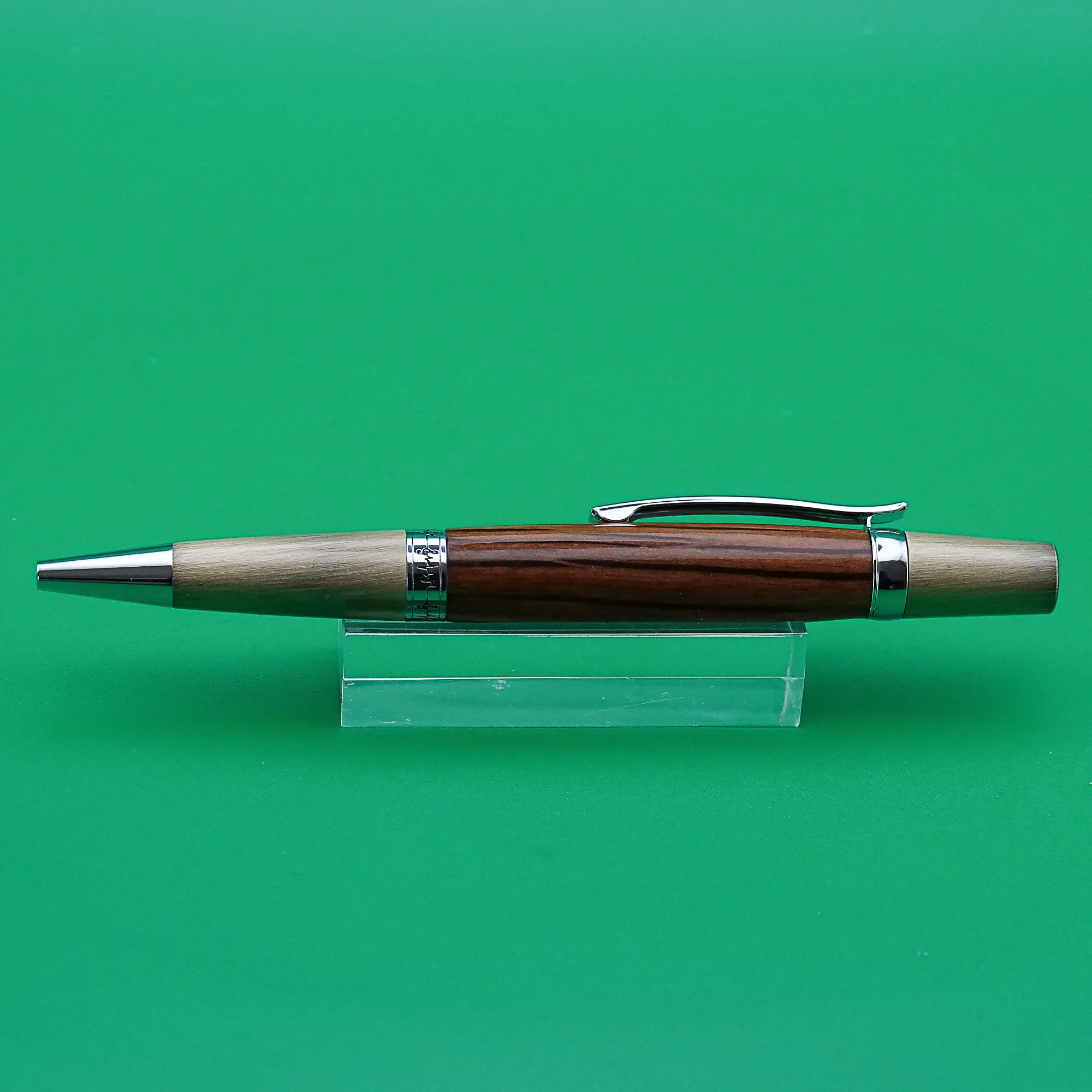
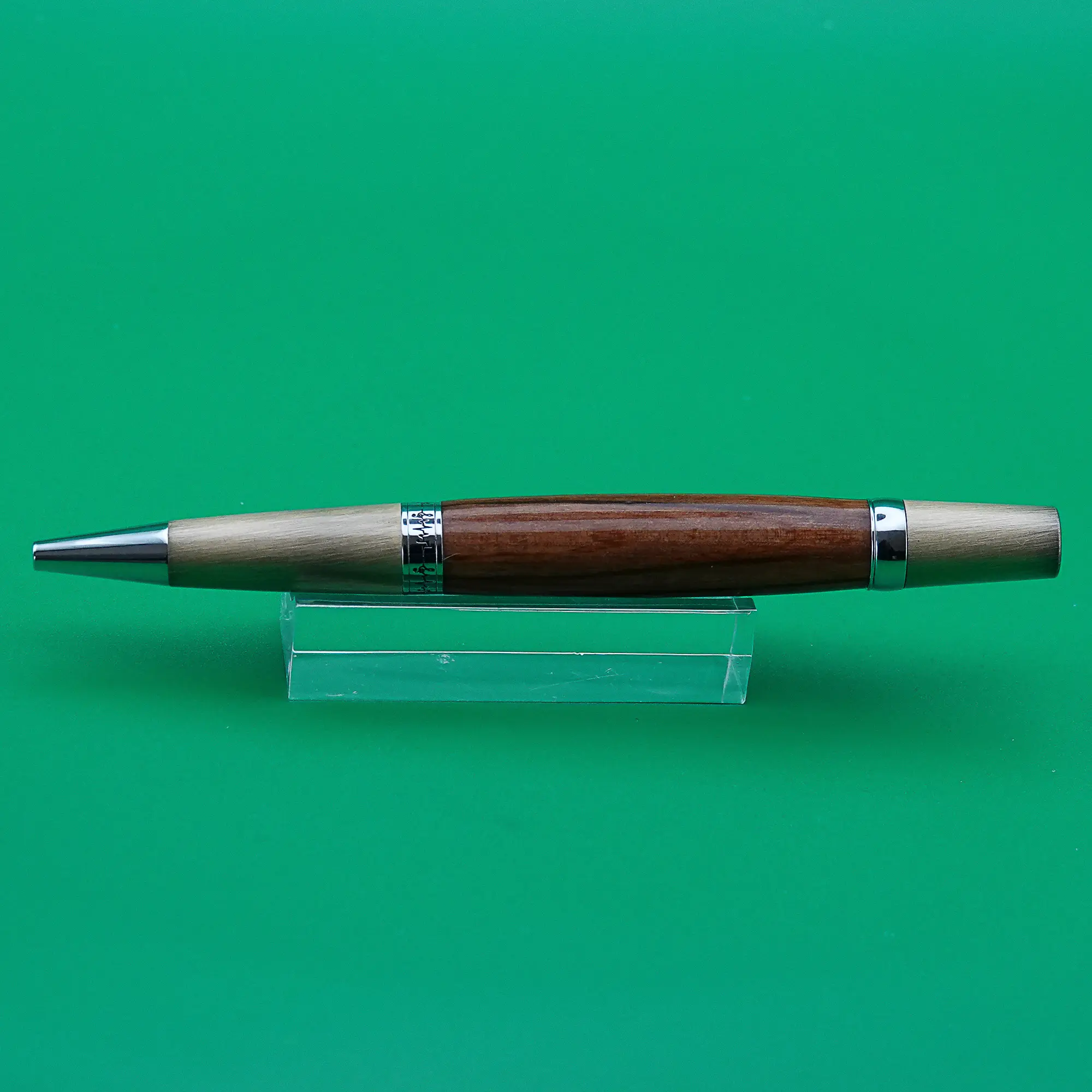
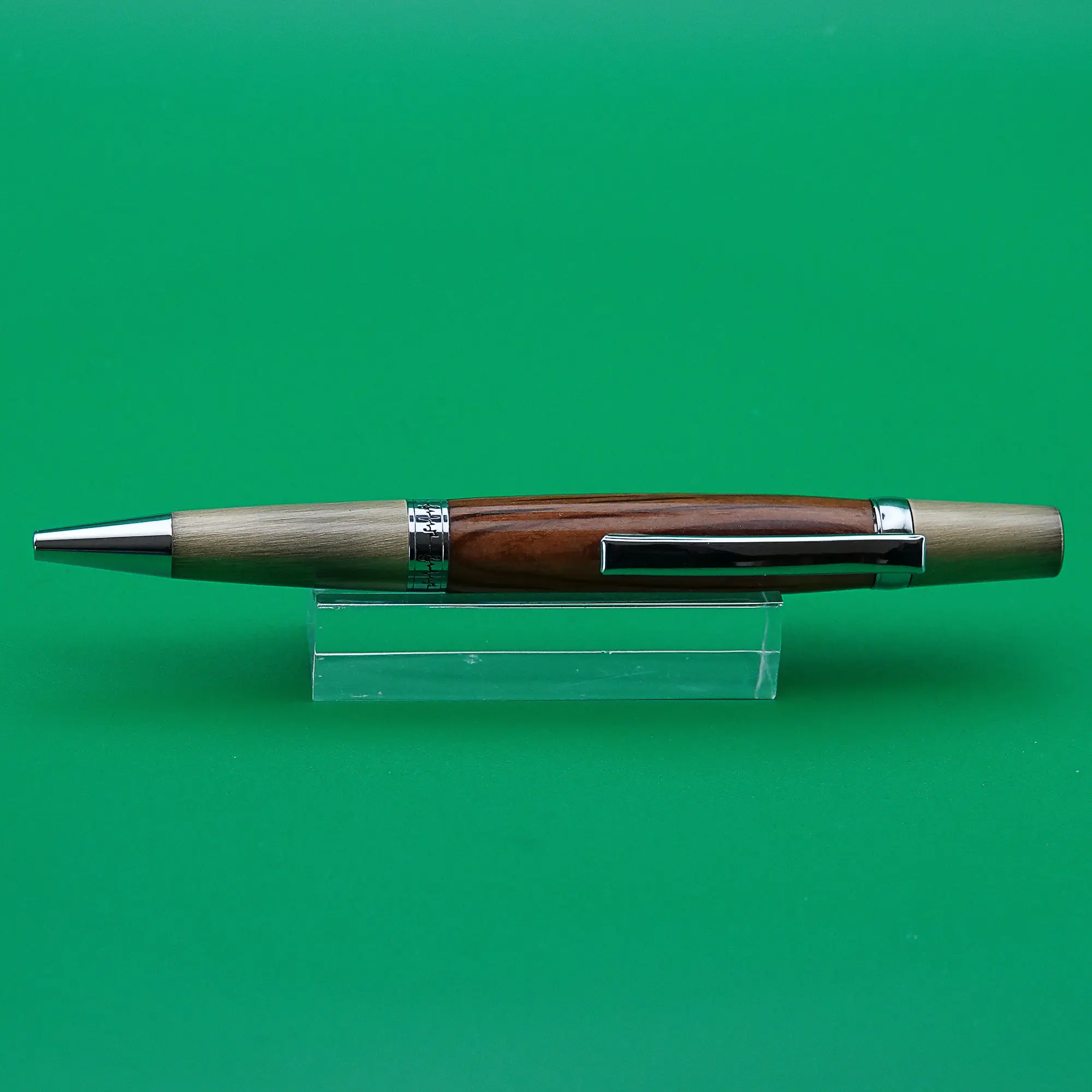
Holm oak timber is incredibly hard and strong. Today it is sometimes used for firewood as it is slow and long lasting. Holm oak acorns are fed to pigs reared for Ibérico ham.