The Medlar tree or European Medlar is a fruit tree that produces a fruit called Medlar. Although its Latin name references Germany (Mespilus Germanica), it originates in Asia Minor and Southeast Europe, and it was brought to Germany by the Romans.
It was originally cultivated approximately three thousand years ago in the Caspian Sea region. At about 700 B.C. it arrived in Greece, and then reached Rome around 200 B.C. It became an important fruit crop during the Roman Empire and the Middle Age, mainly due to its medicinal properties relating to intestinal health.
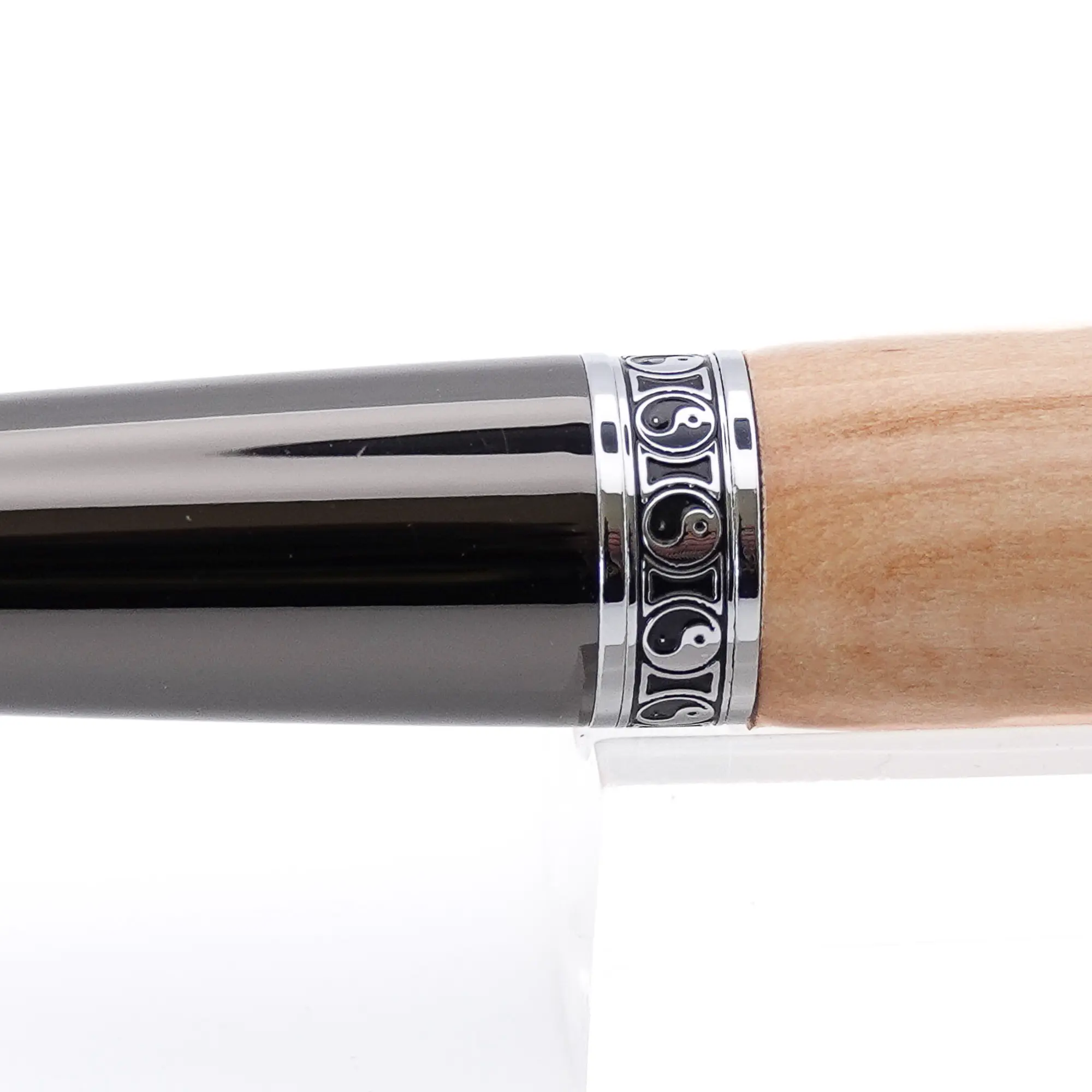
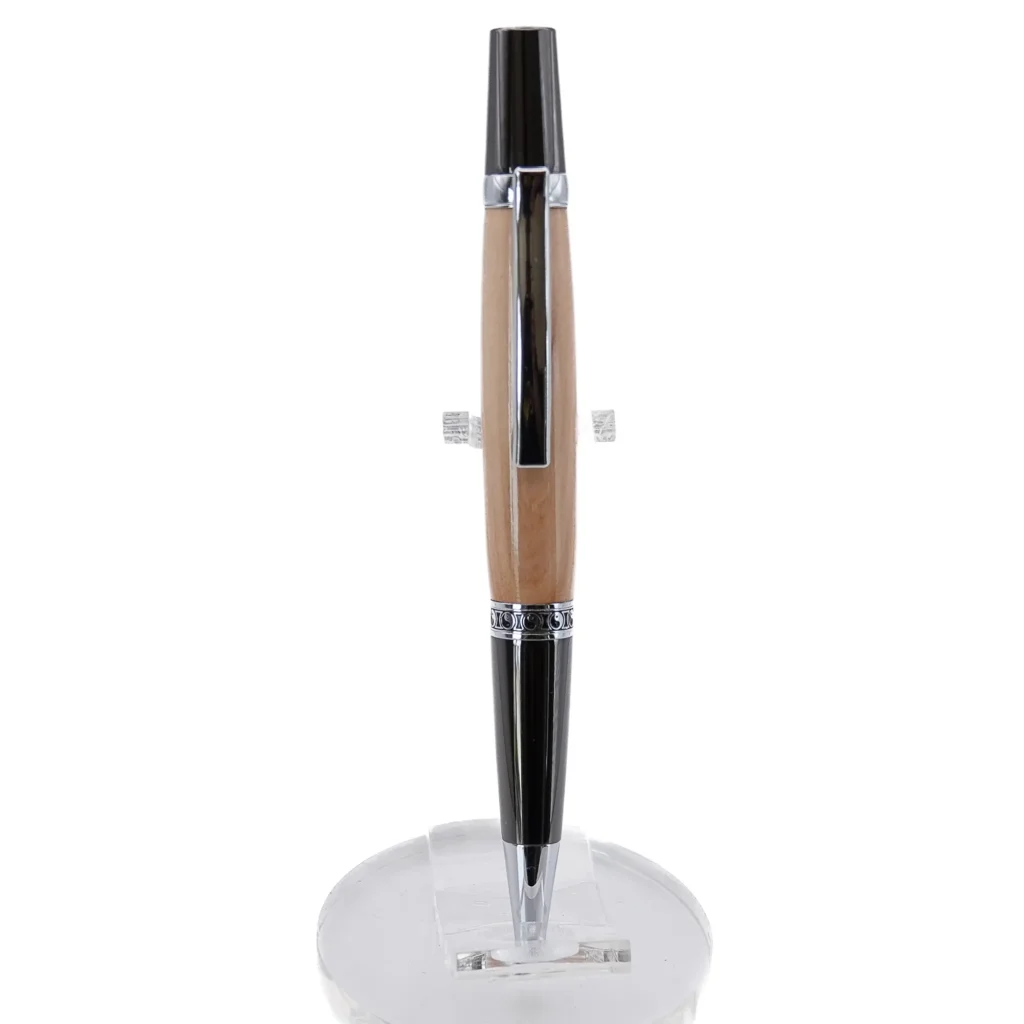
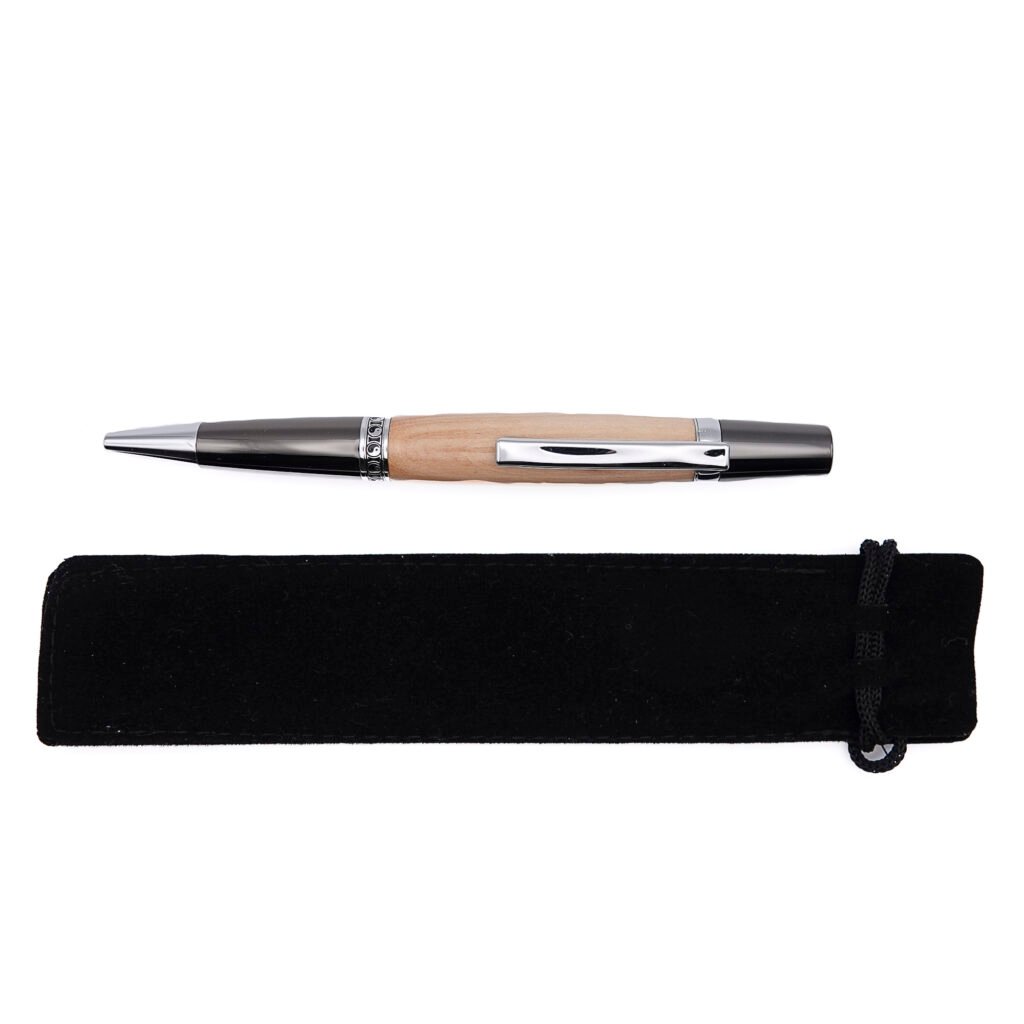
The wood of the Medlar tree grows very slowly, which makes it dense and hard, but flexible at the same time. This makes it very special, because most hard woods generally are not flexible and do break. As a result, it is a very appropriate type of wood for making walking sticks.
Under ideal circumstances, the deciduous plant grows up to 8 metres (26 feet) tall. Generally, it is shorter and more shrub-like than tree-like. With a lifespan of 30–60 years, the tree is rather short-lived. Its bark is greyish brown with deep vertical cracks forming rectangular plates that tend to lift off.
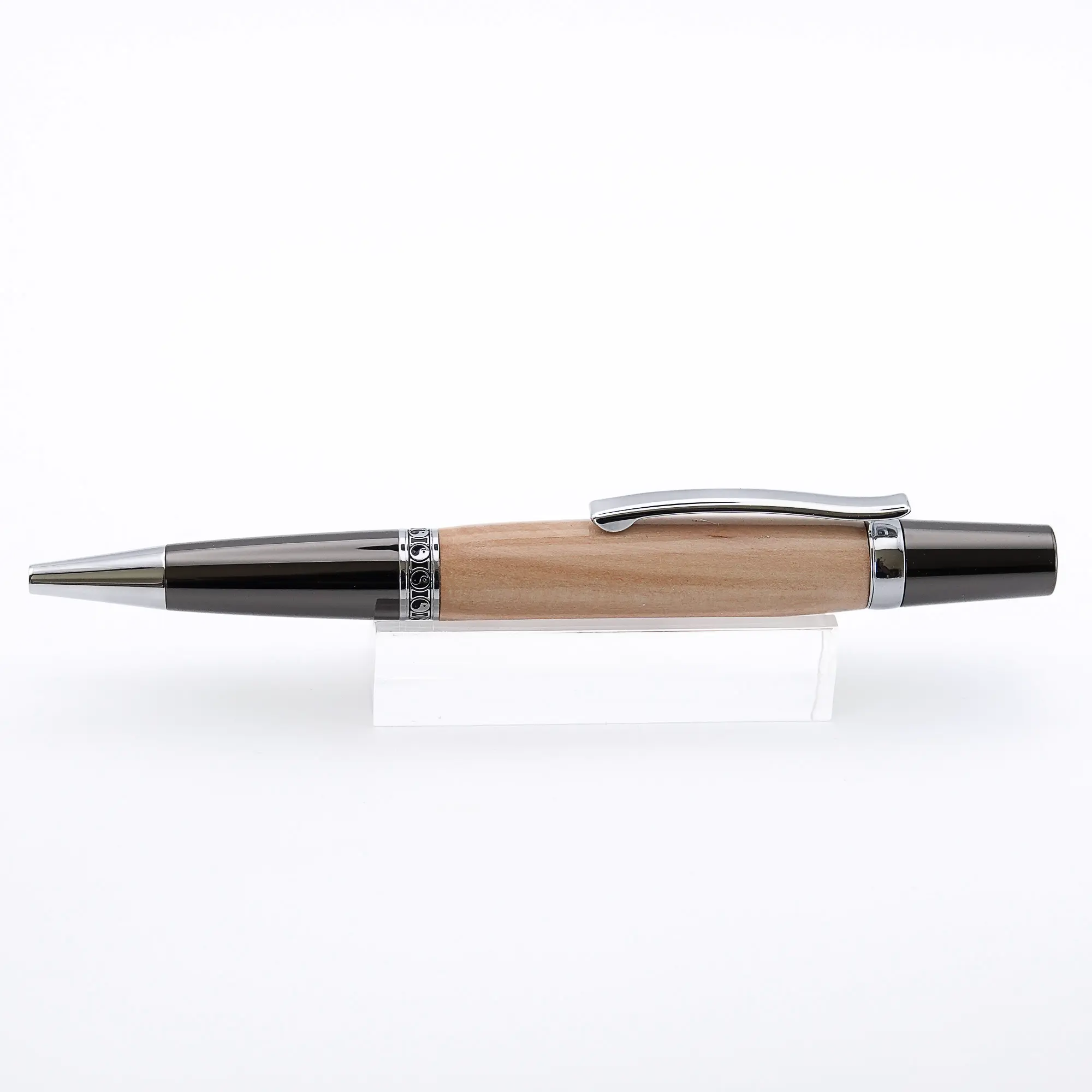
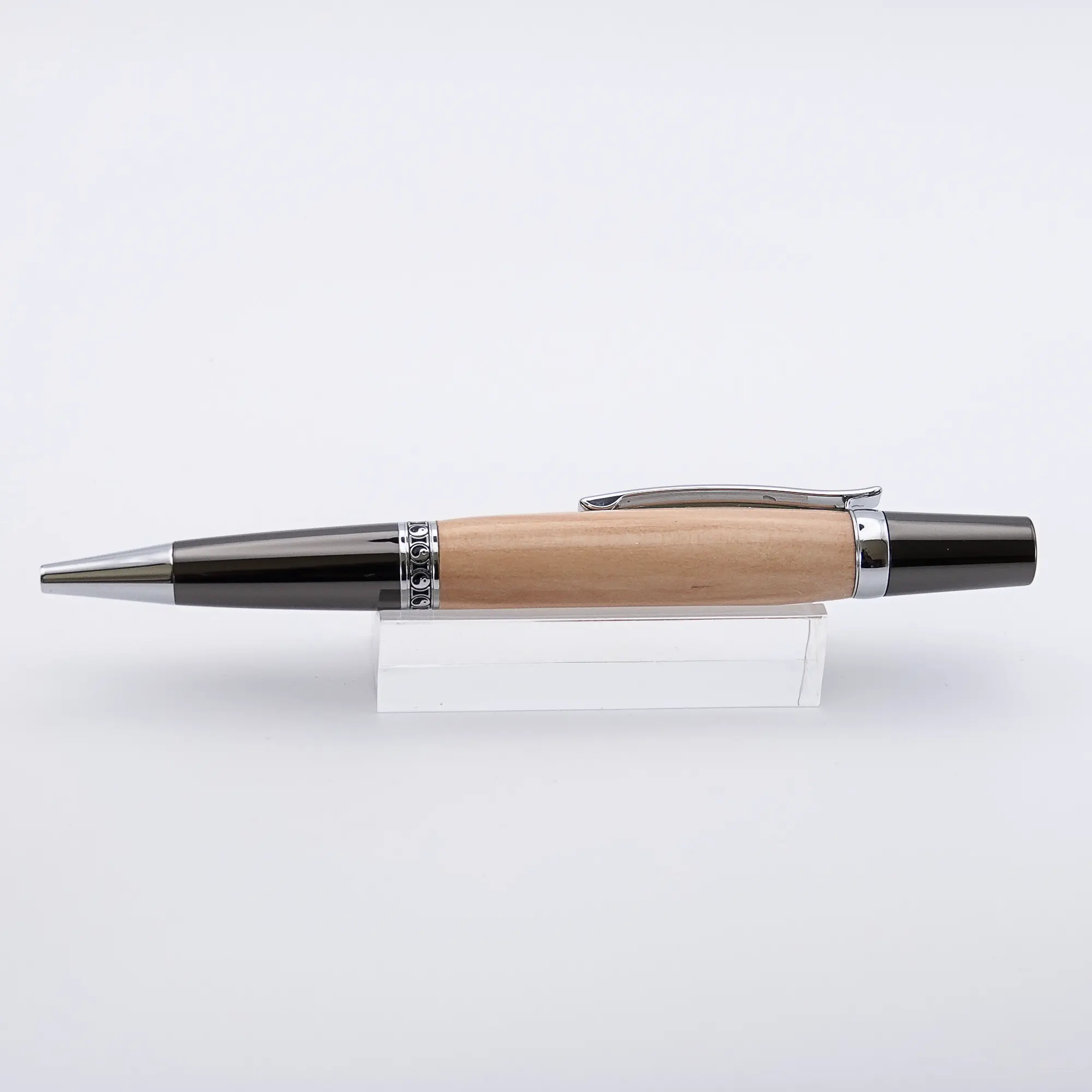
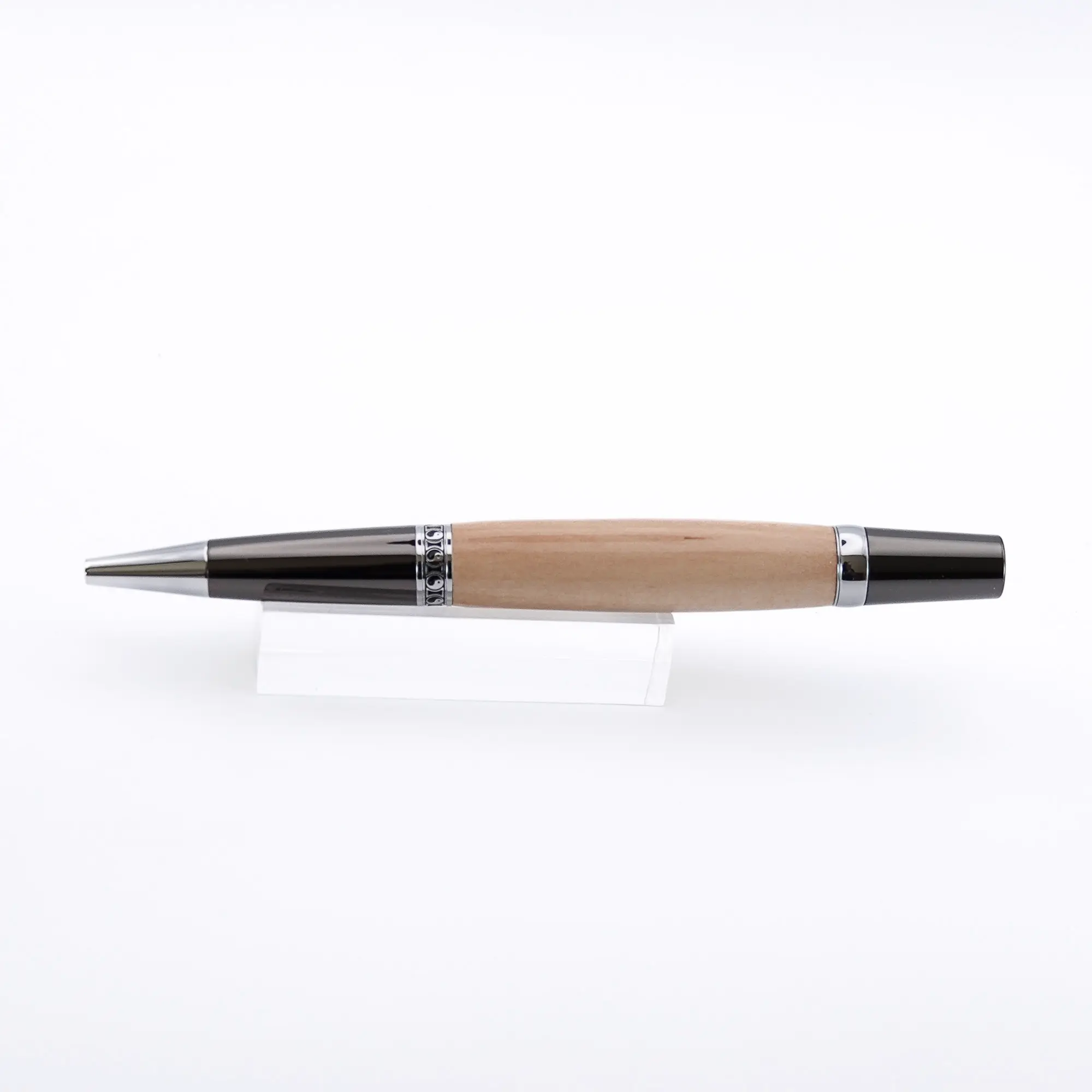
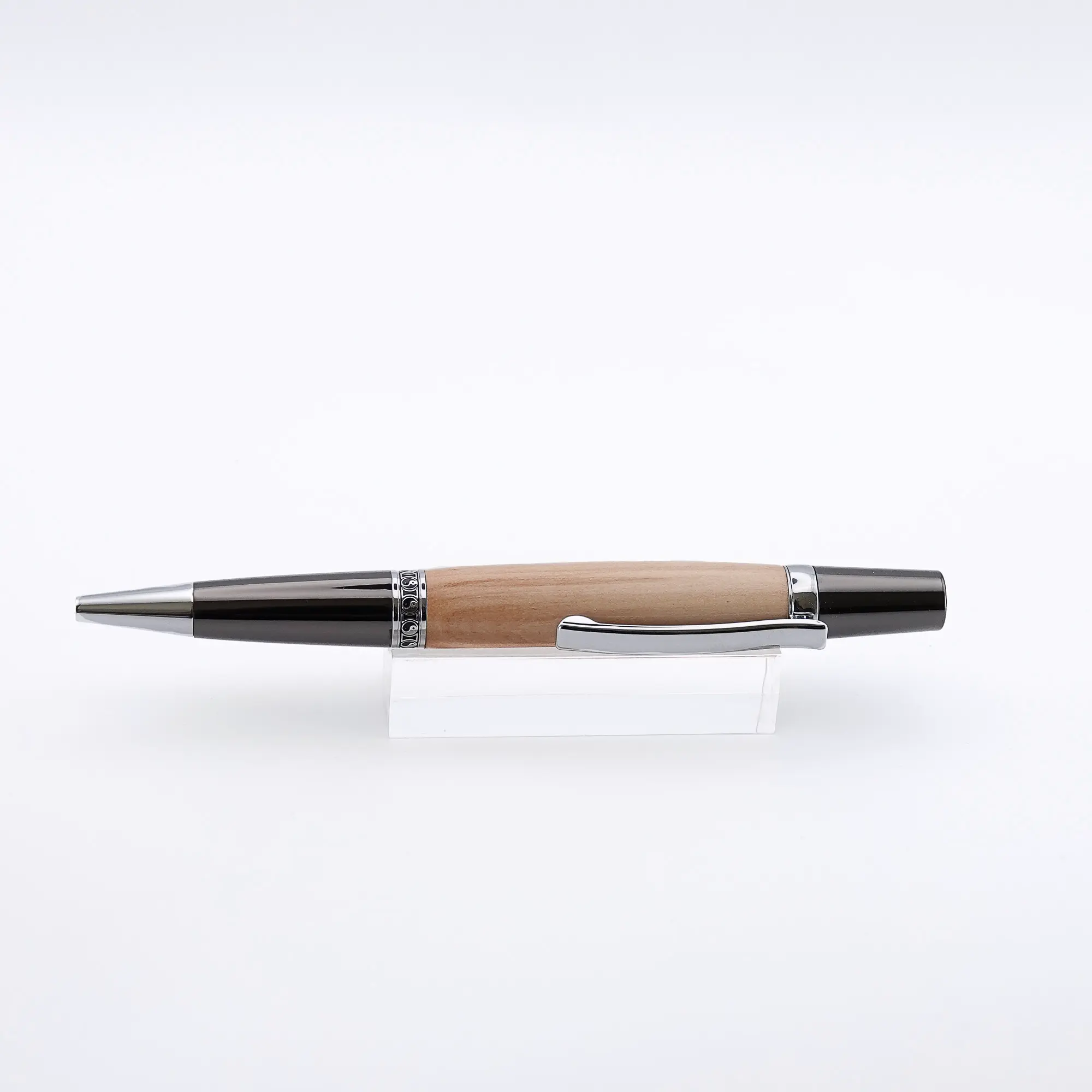
The wood has a fine texture but is very hard. It has a white, slightly pink-tinted sapwood. The core is brownish. The annual rings are clearly visible.